
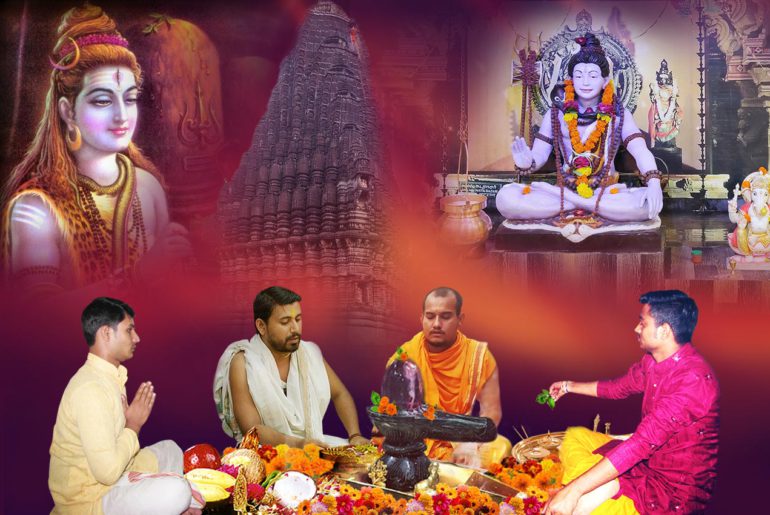
Mahamrityunjay Jaap Pujan: A Ritual that Provides Protection and Healing
Mahamrityunjaya jaap pujan means the great Shiva worship and it’s one of the greatest forms of worship in Hinduism. It’s also known as “Mahamrityunjaya Mantra”, which is of extreme importance, for it is said to provide health, peace and even avert a premature death. This puja is mentioned in ancient vedas and is performed in order to pray and receive the love and healing power of Lord Shiva, for better health and liberation in all forms.
The Significance Of The Mantra
The mantra goes as follows:
“Om Tryambakam Yajamahe Sugandhim Pushtivardhanam, Urvarukamiva Bandhanan Mrityor Mukshiya Maamritat.”
The Mahamrityunjaya mantra goes like this in English:
“We meditate on the three-eyed one (Lord Shiva), who permeates and nourishes all life. May he free us from the bondage of death and lead us toward liberation and immortality.”
This prayer clearly focuses on Lord Krishna, as he has quite the influence, calling him the destroyer of misplaced fear, calling upon him to remove barriers in life that promote illness.
Importance of Mahamrityunjaya Mantra Recital and Worship
Mahamrityunjaya mantra was unveiled by Rishi Markandeya and it is believed that the mantra’s potency helps to cure physical as well as mental and emotional problems. Performing the jaap and pujan brings the following benefits:
Health and Longevity: It is performed especially for those who are suffering from chronic illness or want to be healed from life threatening situations.
Protection from Negative Energies: Chanted mantras act as a barrier to devout followers shielding them from evil forces, evil effects of the planets and premature death.
Spiritual Growth: Jaap fosters inner peace and self-realization and increases the degree of one’s attachment to God.
Family Harmony: It cultivates and creates positive and harmonious relationships with family members thereby promoting peaceful co-existence in the family.
Steps Of Mahamrityunjay Pujan
Mahamrityunjaya Pujan can be conducted systematically by priests or by the bhaktas with guidance, outlines various steps. Steps are as follows:
Sankalp: The devotee makes a pronouncement or statement for the health or surgery or a hope such as puja to be effective in removing difficulties for which the fasting is held.
Abhishekam: An idol/image or Shivling of Lord Shiva is offered bath in milk, honey, curd, ghee and water by reciting ajap or mantra.
Jaap (Chanting): The Mahamrityunjay mantra is recited in multiples of 108, 1008 or more, depending on the devotee’s individual ability.
Worshipping the deity – Leaves of Bilva, flowers, fruits and sweets are offered to Lord Shiva.
Havan (Sacrifical Fire) – Last offering ritual is the final part of the solemn rite, when offerings are made into the hawan kund and mantras are recited.
Timing of the ritual
Even though the Mahamrityunjay mantra can be recited every day, certain days like weekday Monday (associated with Lord Shiva), Shivratri or in conditions of critical illness are also regarded as specially particular days.
Results from Participation
The participants of the Mahamrityunjay Jaap Pujan are said to feel a sense of relief, hope and positivity. The vibrations of the mantras detoxify the devotees by removing grief and restoring peace of mind and body.
Wrap Up
The Mahamrityunjay Jaap Pujan is seemingly more than a ceremonial practice; it is a conduit to the almighty, inner fortitude and healing. With this puja, devotees request compassion of Lord Shiva in form of blessings to alleviate them from fearing anything and confront challenges and difficulties in life. It is also a lesson that helps to understand the ultimate truth better that No feeling but only faith and devotion can help in overcoming all the odds.